
The rule first, then the lid
Fire officials do not think of a chimney cap as a lid. They think of it as the last thing an ember touches before it leaves your house. That is why a cap on a wood-burning flue in Paramount gets judged on its screen first and its looks never. NFPA 211, the standard most chimney inspectors work from, and fire officials across California both expect a solid-fuel flue to end in a spark arrestor: a metal mesh that lets smoke out and keeps burning flakes in.
The reason is plain on a dry October afternoon. Santa Ana gusts carry a glowing flake much further than people guess, and a dead palm frond two yards over needs very little to catch. A screen that has rusted open, or a flue with nothing on it at all, is the kind of item an insurer or a buyer's inspector writes down and asks about.
Three jobs, judged one at a time
A cap that passes does three separate things, and we check each on its own.
- The mesh holds embers back and still lets the fire breathe. A screen packed with soot fails the second half of that, and you notice it as smoke drifting into the room.
- The hood keeps rain off the flue opening, so water does not sit in the smoke chamber and rust the damper below it.
- The frame keeps birds, rats and squirrels from moving in. Rentals that sit empty between tenants are where we find the most nests.
A shiny cap that is missing one of these still fails the look.
What sets the price
Every cap is quoted after we measure the flue. Caps differ because the word cap covers very different objects. Here is how common roofs around Paramount compare.
| On your roof | Effect on the price |
|---|---|
| One clay flue tile, stock stainless cap clamped to it | simplest job |
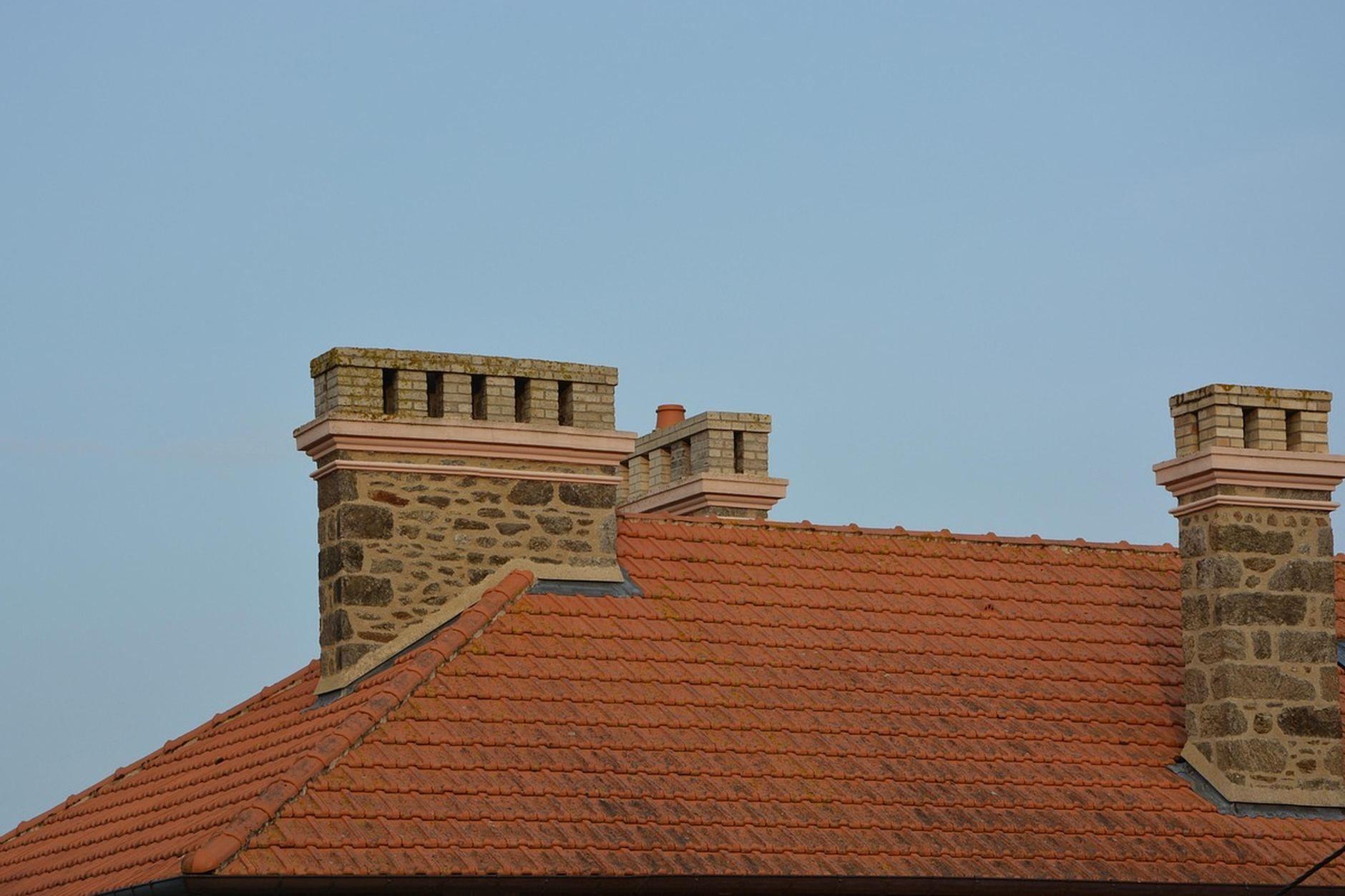
| Two or three flues sharing one crown, one wide cap over all of them | costs more |
| An odd-sized or tall crown that needs a cap made to measure | costs more again |
| Copper, or a decorative shroud chosen to match the house | costs the most |
A few things add to any of these. A tile roof takes longer to cross without breaking pieces. A tall two-storey stack needs more setup. An old cap rusted onto the tile has to be cut away before the new one goes on. None of that is hidden: the written figure names each part.
One thing a cap does not fix is a crown that has split. If the concrete slab at the top is broken, the fasteners have nothing solid to bite, and water still gets into the brick around the flue. In that case we show you the crack, and the crown work gets its own line on the paper.
Ask for a written cap price and mention how many flue openings you can count from the street and whether the fireplace burns wood or gas.
When the maker decides which cap you may use
Some houses in and around Paramount, mostly from the 1970s on, have a metal fireplace with a metal flue running up through a framed box on the roof instead of a brick chimney. That whole assembly was tested and listed as one system. The listing names the top it was tested with, and an inspector reads the label to see whether the part on the roof matches.
So on a factory-built system we do not reach for a generic cap. We find the label, usually on a firebox side panel or behind the lower grille, record the maker and model, and fit the cap the listing names or an approved replacement for it. If the maker has closed and no listed part exists, we tell you before anything is ordered, because that changes the conversation with a buyer or an insurer.
A gas fireplace is a different case
A sealed gas fireplace vents through its own pipe and ends in a termination that ships with the unit. It is not a spark arrestor and it is not swapped for one. If you have a gas log set burning in an old masonry firebox, though, the flue above it is still a masonry flue, and a cap still keeps water and animals out of it. We tell you which you have on the visit.
Signs your present cap would not pass
- The mesh has holes you can see from the yard, or has pulled away from its frame.
- The cap is held on by one screw and rattles in wind.
- Smoke drifts into the room on a calm night with the damper open, which often points to a choked screen.
- Leaves or twigs stick out of the top of the flue.
- There is nothing on top of the tile at all.
A choked screen gets cleared on a sweep visit, which starts from $445, and a clean screen is often all that was wrong. A screen with holes in it is replaced.
Should the chimney be inspected at the same time?
If nobody has looked at the chimney in years, have us look while we are on the roof anyway. A Level 1 inspection is $58. It tells you whether the crown and the top of the flue tile are sound enough to carry the new cap, and whether anything else on the stack needs attention before the rains. If the house is being sold, a buyer's inspector will want the deeper Level 2, and the home sale page explains what that covers.
What you have at the end
After the install you get a dated note naming the cap, the material and, on factory-built systems, the listed part it matches. Keep it with your house papers. When a buyer, a lender or an insurer asks whether the chimney has a spark arrestor, that note answers it and saves a second trip to the roof.
More on the work itself is on the chimney cap installation page. If your house has a dented or rusted metal top on a framed chimney box, see chase covers, and if you are weighing a gas insert at the same time, read what an insert permit involves.
Getting the cap measured
Paramount, Bell, Cerritos and Gardena are the cities we visit most. Our contact page takes the request: leave the street and a line about the fireplace, and we ring back to set a time on the roof.
Turn This Guide Into a Written Scope
Elmore Chimney Sweep works across southeast Los Angeles County. Each scope lists the defect, the code line or NFPA 211 clause behind it, the price and whether the city wants a permit, so you can weigh the job before anything is booked.