
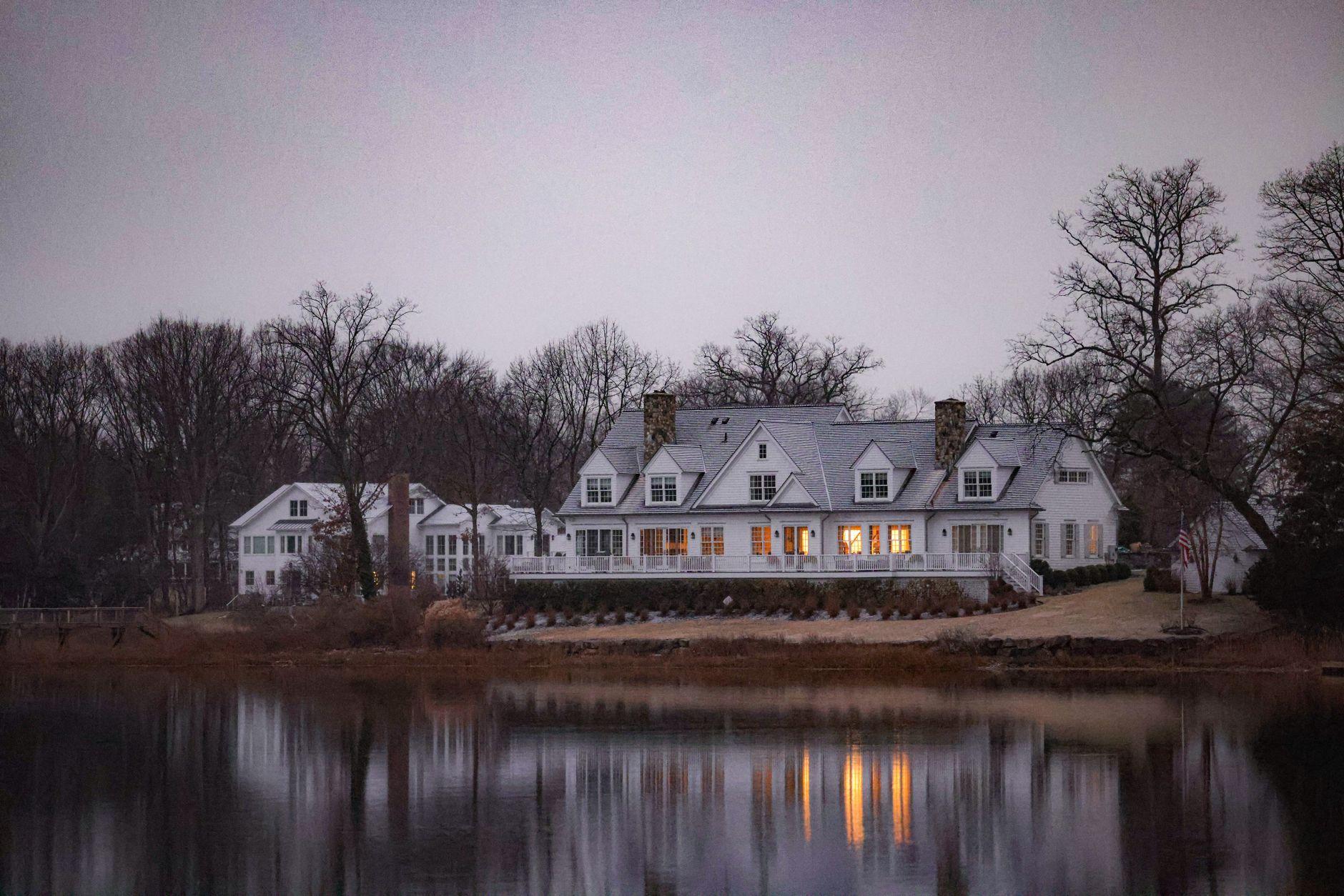
An older chimney, checked part by part before the sale closes
Book the sale inspection
Give the street and say whether you are buying or selling. We call back to set the visit.
The parts of an older chimney, and how each one fails
Before 1980, chimneys in this part of Los Angeles County were built to a common pattern: a brick stack with clay tile inside, a cast-iron damper above the firebox, a rough smoke chamber between them and a mortar crown on top. Nothing in that list is unusual, and nothing in it lasts forever. The trouble is that most of it is out of sight from the living room, which is why the buyer of an older house so often inherits problems the seller never knew about.
Here is what we look at on every older chimney, and the wear we expect to find on each piece.
- Clay flue tile: cracked by heat, shifted by past quakes, joints washed open
- Damper: plate rusted to its seat, frame cracked, handle long gone
- Smoke chamber: stepped brick that holds soot and open joints behind it
- Brick and mortar: soft lime joints that turn to sand near the top
- Crown: thin, cracked, letting rain into the stack
- Flashing: lifted or patched at a past reroof
Why a sale calls for the deeper level
NFPA 211 links how far an inspection goes to what has changed with the chimney. A change of owner is one of those changes. The buyer has no record of how hard the fireplace was used, whether it was swept, or whether a crack opened in 1987 or 1994 and was painted over. The standard answers that by asking for a Level 2, which films the whole flue and checks the roof and attic, rather than a look from the hearth.
A general home inspection is still worth having. On the chimney, though, it usually ends at the firebox opening and the roofline, with a note sending the buyer to a specialist. Booking the Level 2 inside the inspection period means that note never has to be chased.
What the report does for each side
For a buyer, the report turns worry into a list. Each finding names the part, where it is and how serious it is, with a still from the camera where one helps. Items with a published price on this site carry that price, so a repair request or a credit can be argued with numbers.
For a seller, the same report done before listing settles questions early. Small items can be fixed and shown as fixed. Larger ones can be disclosed with a written scope beside them, which keeps a buyer's guess from becoming the number on the table. Either way, the report goes to the person who booked it and to anyone they name.
Houses patched after a past quake
Many older chimneys around Paramount were repaired after the 1987 Whittier Narrows quake or the 1994 quake, and the quality of those repairs varies a great deal. Some were rebuilt properly. Some had a fresh coat of mortar smeared over cracked joints. From the street they look the same. The camera and a close look at the joints above the roof tell them apart, and the report says which kind of repair the house has.
Inspection prices for a sale
The sale inspection has one flat price. The lighter visit is listed for owners who are staying put.
- Sale inspection: flue filmed end to end, roof and attic walked
- $415
- Yearly look for an owner who is not selling
- $58
Repairs found on the visit get their own written scope. The ones we price in advance are on the repairs in stages page.
Questions about older houses changing hands
The house is from the 1950s. Is the clay flue likely to be cracked?
Often, but not always. Age, heavy use and the two big quakes of the last forty years all take a toll on clay tile. Some flues from that era are still in good shape. The camera is the only way to know which one this house has.
Can the seller's own chimney report stand in for ours?
Check its date and level. A recent Level 2 with camera stills may be enough. A Level 1, or anything done before a quake or a chimney fire, does not tell a buyer what is inside the flue.
What if the fireplace has not been used for years?
That is common with older houses, and it does not make the inspection less useful. Unused flues collect nests and debris, dampers rust shut, and crowns crack with no one noticing. The report covers all of it.
Does the report say whether the fireplace is safe to use?
Yes. Each finding is marked by how much it matters, and the report says plainly when the fireplace should stay cold until something is fixed.
Who receives the finished report?
Whoever booked the visit, and any agent, lender or party to the sale they put on the list. Everyone on it sees identical findings.
Older house about to change hands?
Go to our contact page and leave the street and your part in the sale. We will call back with a time for the camera visit.
Call (562) 449-0773